
Reflections
The Relationships That Change Us Without Staying
Not every meaningful connection is meant to be permanent.

Most of us carry people who are no longer part of our lives. Not as wounds, necessarily, and not as regrets. Simply as influences. A phrase someone used that we now use ourselves. A way of cooking, or arguing, or noticing birds. A decision we made because, years ago, someone asked us a question no one else had asked.
We do not always have language for these relationships. We tend to measure connection by its duration, and to treat endings as a kind of failure. But some of the people who changed us most were with us only briefly.
The bias towards permanence
There is a widespread assumption that the most important relationships are the ones that last. Long marriages are celebrated; lifelong friendships are admired. Relationships that end are often described as having 'not worked out', as though their purpose had been permanence and they had fallen short.
This assumption can make it difficult to honour connections that were real but temporary. We may feel slightly foolish for still thinking about someone we knew for one summer, or for feeling grateful to a former partner whose presence in our lives ended painfully.
A relationship can complete its work in our lives without completing a lifetime.
What they leave behind
The influence of these relationships is often quiet and specific. Someone introduced us to an idea that reorganised how we think. Someone believed we could do a thing, and we did it. Someone treated us badly in a way that clarified what we would no longer accept. Someone loved us at a time when we did not love ourselves, and the memory of being loved that way became a kind of evidence.
These are not small inheritances. They shape choices made long after the person has gone. In a sense, they remain present in our lives — not as companions, but as part of the way we move.
Gratitude without return
It is possible to feel deeply grateful to someone without wanting them back in our lives. This can feel contradictory, but it need not be. Gratitude is about what was given; it does not require that the giving continue.
Equally, it is possible to recognise that someone changed us for the better while also recognising that the relationship itself was difficult, or that it ended for good reasons. Influence and harmony are not the same thing. Some people shape us through friction.
A different kind of accounting
If we stopped measuring relationships primarily by their length, we might see our lives differently. Alongside the people who have stayed, we would see a wider cast — people who entered at certain moments, offered something, took something, and moved on. The story of who we are would be more crowded, and perhaps more generous.
It may be worth asking, occasionally, who these people are for us. Not to reach out, necessarily, or to reopen anything. Just to acknowledge, privately, the ways in which they remain — and to wonder, too, whose lives we may have passed through in the same way, leaving something we will never know about.
Continue reading

The Questions That Remain
There are many places to find advice about love. This is meant to be a different kind of place — one that stays with the question a little longer.
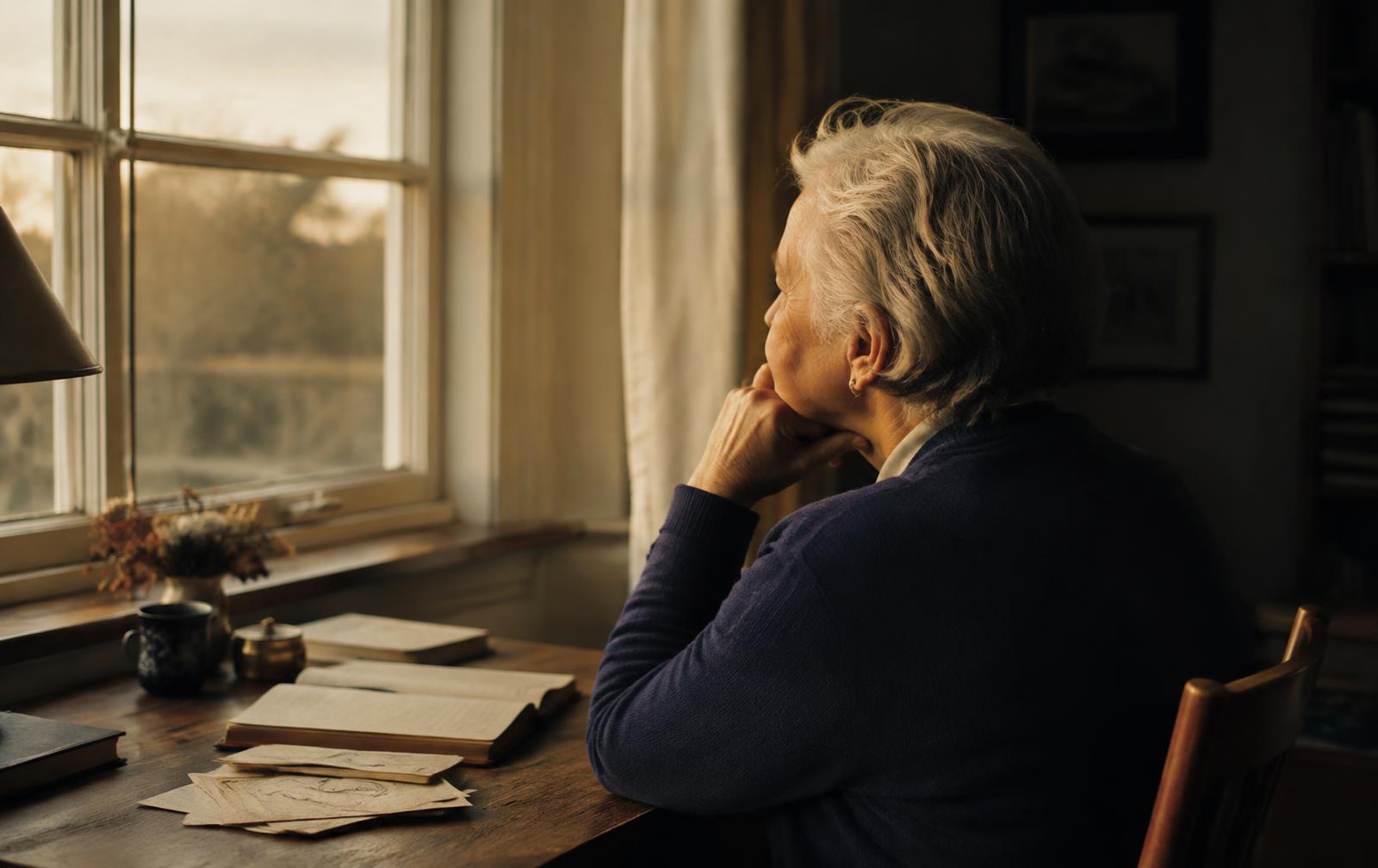
The Unfinished Questions We Carry About Love
What we believed about love at twenty rarely survives intact. Experience doesn't always replace old answers with new ones. Sometimes it simply turns answers back into questions.

The People We Become in the Presence of Others
Most of us have noticed it: a version of ourselves that only appears around certain people. It is tempting to call one of those versions the real one. It may be more honest to say they all are.